
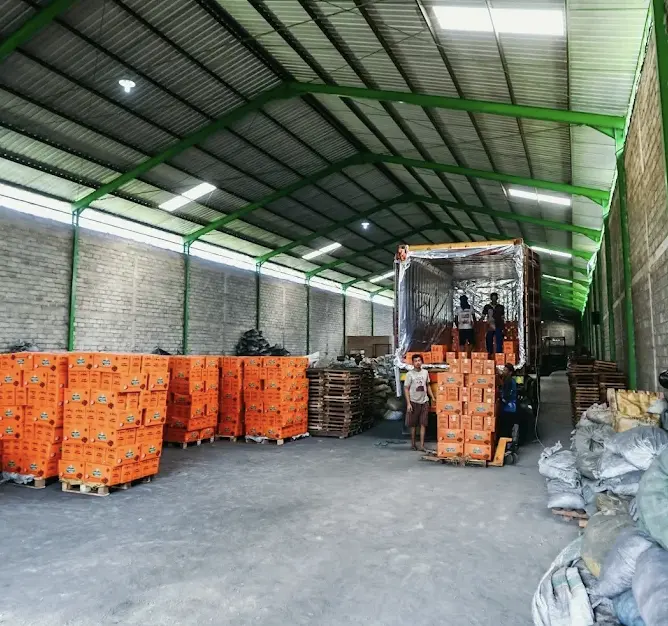
For international importers, product quality does not depend solely on production. Charcoal briquette container loading plays a critical role in maintaining performance, appearance, and combustion efficiency during long sea voyages.
Improper loading can result in moisture absorption, broken briquettes, or unstable pallet stacks—issues that often surface only after arrival.
Why Moisture Is the Biggest Export Risk
Charcoal briquettes, especially those made from coconut shell, are highly porous. During ocean freight, temperature fluctuations cause condensation inside containers, commonly known as container rain.
If moisture penetrates packaging, buyers may experience:
-
Reduced calorific value
-
Delayed ignition
-
Mold or odor complaints
-
Increased fines and breakage
These risks are amplified on routes exceeding 20–30 days.
Export-Grade Container Loading Practices
1. Pallet Configuration and Airflow
Professional exporters avoid floor-loaded bags whenever possible. Palletized loading improves airflow and minimizes direct contact with container walls, where condensation forms.
Standard practice includes:
-
Heat-treated wooden pallets
-
Shrink-wrapped pallet stacks
-
Minimum 10 cm clearance from container walls
2. Moisture Barrier Materials
To protect briquettes during transit, exporters use multi-layer safeguards:
-
Inner PE liners inside kraft or PP bags
-
Container desiccant strips (calcium chloride-based)
-
Absorbent sheets placed on container floors
These measures significantly reduce humidity buildup.
3. Weight Distribution and Stack Stability
Uneven weight distribution can cause pallet collapse during rough seas. Exporters calculate load limits carefully to:
-
Prevent bag compression
-
Maintain briquette shape
-
Comply with container axle regulations
This is especially important for high-density shisha briquettes.
What Importers Should Verify Before Shipping
Buyers evaluating suppliers should request:
-
Container loading photos before sealing
-
Desiccant quantity per container
-
Packaging specifications (bag GSM, liner thickness)
-
Moisture content test results before loading
These checks help reduce post-arrival disputes and quality claims.
Application-Specific Considerations
-
BBQ briquettes prioritize shape retention and ignition consistency
-
Shisha briquettes demand low moisture and minimal odor absorption
-
Industrial briquettes focus on weight stability and bulk handling
Each application benefits from tailored container loading methods.
For more information and order click here.