
How Coconut Charcoal is Made Step by Step and
Why Understanding How Coconut Charcoal is Made is Important
Understanding how coconut charcoal is made is important for buyers, distributors, and BBQ businesses looking for high-quality fuel. Coconut charcoal is known for its long burning time, low ash, and eco-friendly production process.
The process of how coconut charcoal is made starts from natural coconut shells and goes through several controlled production stages to produce premium charcoal for global markets.
Companies such as https://cocoindoglobal.com specialize in producing export-quality coconut charcoal for BBQ and shisha applications.
How Coconut Charcoal is Made Step by Step
To fully understand how coconut charcoal is made, it is important to look at each stage of the production process.
Raw Material: Coconut Shells
Coconut charcoal begins with coconut shells, which are a natural byproduct of the coconut industry.
These shells are extremely dense, making them ideal for producing long-burning charcoal. Instead of being wasted, they are reused to create sustainable fuel.
This is one of the reasons why coconut charcoal is considered environmentally friendly.
Step 1: Carbonization Process
The first stage in how coconut charcoal is made is carbonization.
Coconut shells are burned in a controlled environment with limited oxygen. This process removes moisture and converts the shells into carbon-rich charcoal.

The result is raw charcoal with high heat value and strong burning performance.
Step 2: Crushing and Grinding
After carbonization, the charcoal is crushed into smaller pieces and then ground into fine powder.

This step is essential in how coconut charcoal is made, because fine powder allows uniform shaping and better quality briquettes.
Step 3: Mixing with Natural Binder
The charcoal powder is mixed with a natural binder such as starch.
This helps the charcoal particles stick together during molding.
A proper mixture ensures:
-
Strong briquette structure
-
Clean burning
-
Low smoke production
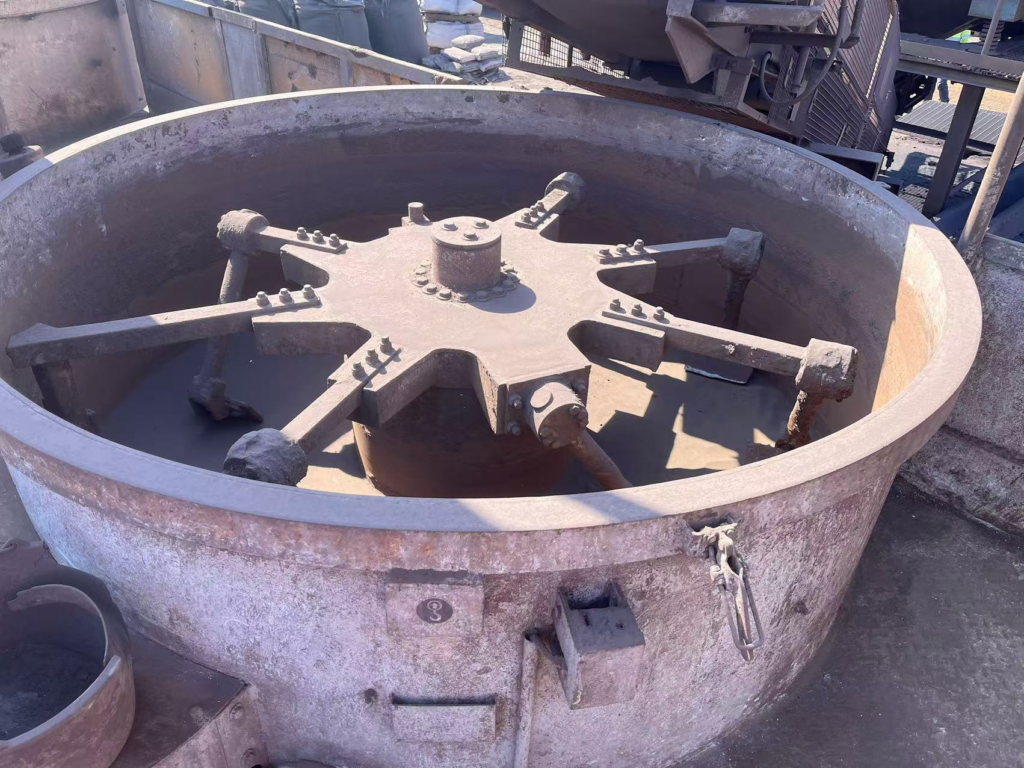
High-quality producers avoid harmful chemicals in this stage.
Step 4: Briquette Molding
The mixture is then pressed into uniform shapes using machines.
Common shapes include:
-
Cube charcoal
-
Hexagonal charcoal
-
Finger charcoal
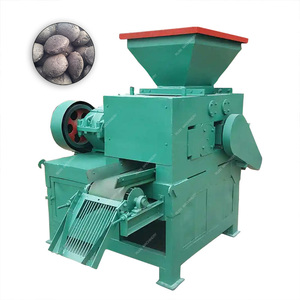
Uniform shape is important for consistent heat and efficient burning.
Step 5: Drying Process
After molding, the charcoal still contains moisture and must be dried.
Drying methods include:
-
Sun drying
-
Oven drying
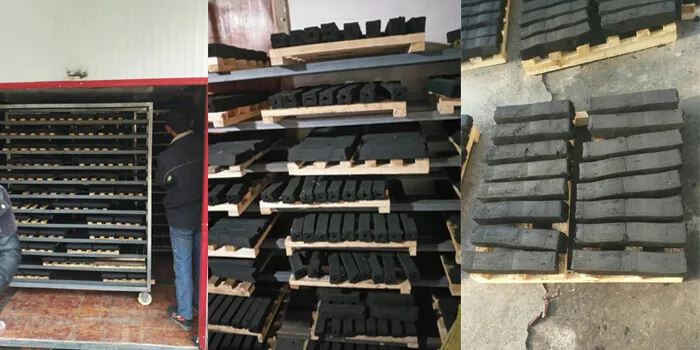
Proper drying is a critical step in how coconut charcoal is made, because it ensures easy ignition and long burning performance.
Step 6: Packaging and Export
After drying, the charcoal is packed into export-ready packaging.
Common options include:
-
Master cartons
-
Inner boxes
-
Private label packaging

The charcoal is then exported to countries such as:
-
United Arab Emirates
-
Saudi Arabia
-
Kuwait
Quality Control in Coconut Charcoal Production
A crucial part of how coconut charcoal is made is quality control.
Reliable manufacturers check:
-
Moisture content
-
Ash level
-
Fixed carbon
-
Burning time
This ensures that every batch meets international standards.
High-quality coconut charcoal typically offers:
-
Long burning time (2–3 hours)
-
Low ash content (below 3%)
-
Stable heat output
This is why it is preferred by BBQ restaurants and distributors.
Why Coconut Charcoal is Better
Now that you understand how coconut charcoal is made, it is clear why it is superior to many other types of charcoal.
Key advantages include:
-
Longer burning time
-
Low ash production
-
Consistent heat
-
Eco-friendly material
These benefits make coconut charcoal ideal for BBQ and commercial use.
Applications of Coconut Charcoal
Coconut charcoal is widely used in:
BBQ and Grilling
Provides stable heat for cooking meat and other foods.
Shisha and Hookah
Offers clean, odorless heat.
Commercial Use
Used in restaurants, catering, and hospitality industries.
Partner with Coco Indo Global
If you are looking for a reliable supplier and want to understand how coconut charcoal is made at export quality level, Coco Indo Global is ready to support your business.
🌐 Website: https://cocoindoglobal.com
📧 Email: support@cocoindoglobal.com
📱 WhatsApp: https://wa.me/628159452456
We supply premium coconut charcoal for international markets.